Episodi

  • From Moonshine Roots To Experimental Spirits: Alan Bishop’s Bold New Chapter At Old Homestead Distillery
    Feb 18 2026

    Send a text

    We chart Alan Bishop’s leap from an established distillery to Old Homestead, how he rebuilt his stills, and why he’s doubling down on experiential spirits. We taste and unpack Wickliffe Bell at 139.2 proof—peat-smoked oats, smoked apples, clean cuts, and a rest that polishes without erasing character.

    • Reinvention after French Lick and owning the build at Old Homestead
    • Pot still aging limits and why barrel babysitting matters
    • Labels that free creativity: whiskey from a bourbon mash
    • Making uncommon whiskey for common people as a guiding idea
    • The Old Homestead campus and “Alcohol Acres” destination
    • Wild Newton Stewart yeast capture and sense of place
    • Wycliffe Bell process, thumpers, peat, apples, and cask strength
    • Water, highballs, and choose-your-proof tasting
    • Upcoming Rise & Shine trio and barrel-rested sunshines
    • New absinthe and gin releases, plus where to find Alan’s work

    The best spirits don’t just taste like a place—they tell you its story. We sit down with Alan Bishop for his record-setting return to talk about leaving a legacy brand, hand-building a new distillery at Old Homestead, and charting a bolder future where labels serve flavor, not the other way around. If you’ve ever wondered how a distiller reinvents without losing soul, this is a masterclass in making uncommon whiskey for common people.

    Alan opens up about the real arc of starting over: the existential first year, the stubborn stills, and the moment the “house character” finally reveals itself. He explains why pot still whiskey has a sweet spot, how to babysit barrels so wood doesn’t swallow grain, and why he’s transparent about using “whiskey distilled from a bourbon mash” to unlock honest flexibility—used oak, varied entry proofs, and subtle pre-distillation botanicals—while telling drinkers exactly what’s in the glass.

    Then we dive into Wickliffe Bell, a cask-strength Black Forest Spirit at 139.2 proof that drinks shockingly gentle. Oats malted by Sugar Creek are peat-smoked with Irish turf, apples are smoked and loaded into a thumper, and the cut is clean like a white distillate before a short rest in new oak. The result is apple-oat warmth, soft phenolics that read like hickory-kissed smoke, and a choose-your-own-proof journey that blooms with a splash of water or lifts in a smoky highball. It’s not bourbon. It’s not scotch. It’s a place in a bottle.

    We also map the broader canvas: Bartels & Bishop hitting distribution, limited Old Homestead bourbon kept intentionally scarce, the Rise & Shine trio (citrus, jasmine-chamomile, hickory bark) riding the thumpers, and a new absinthe that merges Old World method with New World botanicals. Along the way, Alan talks underdog grit, storytelling as craft, and building “Alcohol Acres”—a lakeside destination that pairs serious spirits with a weekend worth remembering.

    If you care about flavor, place, and where American whiskey goes next, press play. Then tell us how you took your pour—neat, water, or highball—and leave a review so more curious drinkers can find the show.

    Find us at www.scotchybourbonboys.com — glens, t-shirts, bourbon balls, and more
    Follow on Facebook, Instagram, YouTube, X, TikTok, and Patreon
    Apple listeners: leave a five-star rating and a thoughtful review
    “Drink and drive, drink responsibly, and live your life uncut and unfiltered”


    voice over Whiskey Thief

    Add for SOFL

    Support the show

    https://www.scotchybourbonboys.com

    The Scotchy bourbon Boys are #3 in Feedspots Top 60 whiskey podcasts in the world https://podcast.feedspot.com/whiskey_podcasts/


    Mostra di più Mostra meno
    1 ora e 47 min
  • Whiskey Over Politics Presidents Day Podcast
    Feb 17 2026

    Send a text

    We taste presidential-labeled pours, unpack how to judge whiskey beyond politics, and dive into Dark Arts’ global wood program, pricing choices, and plans for Noble Arts. The talk moves through Lexington’s revival, industry alliances, and bourbon’s power to bring people together.

    • judging whiskey on liquid quality not labels
    • guest’s background, global sourcing, and neat-pour philosophy
    • Noble Arts launch plans and honey-cask allocations
    • festivals, YouTube creators, and small-producer formats
    • pricing ethics, exotic woods, and value at $60–$100
    • Mizanara as accessible flagship, proof and profile
    • Lexington’s distillery district history and renewal
    • Dark Arts tasting room vibe and team approach
    • cooperation among brands and rising-tide mindset
    • legacy building, never-sell ethos, and resilience
    • vodka, highballs, and the search for a party-friendly bourbon drink
    • tastings: Cinder And Smoke Ten Year, 45/47, and American 47

    Become a member, support the podcast, join the Patreon, leave a five-star review on Apple and iHeart

    A whiskey label can spark a fight before the cork leaves the bottle. We start there—then pour past the politics to ask the only question that matters: is the whiskey any good? Along the way, we bring in Dark Arts Whiskey House’s chief alchemist for an unfiltered look at how rare woods, real sourcing, and a clear pricing philosophy can turn crowded shelves into a playground for curious palates.

    We taste through presidential-themed releases and a ten-year Cinder and Smoke, breaking down what the nose and finish reveal at approachable proofs. From Japanese Mizanara offered at a shockingly fair shelf price to honey-cask experiments bound for festival drops, this conversation opens the black box on “exotic finishes.” No Alibaba shortcuts here—just long-haul flights, fifth and sixth-generation cooperage partners, and a refusal to let scarcity morph into gouging. You’ll hear how Dark Arts keeps premium bottles accessible, why proof and mouthfeel trump hype, and what to look for when a label leans on patriotism to sell a pour.

    We widen the lens to Lexington’s distillery district—once neglected, now humming—and how alliances between neighbors make a destination out of a few city blocks. There’s real talk on team building, titles, and respect in hospitality, plus a legacy stance you don’t hear often: never sell, build for generations, and let the liquid do the talking. And because whiskey should be fun, we kick around the missing link in cocktail culture: a simple, party-friendly bourbon drink that can sit next to beer and champagne without dumbing down the spirit. Highballs and herbaceous spritzers, anyone?

    If you’re a bourbon nerd, a craft-leaning explorer, or just tired of marketing fog, this is your pour. Hit play, taste with us, and join the conversation—then tell us: what makes a whiskey truly “good,” and which bottle surprised you most? Subscribe, share with a friend, and drop a five-star review to keep these conversations flowing.

    voice over Whiskey Thief

    Add for SOFL

    Support the show

    https://www.scotchybourbonboys.com

    The Scotchy bourbon Boys are #3 in Feedspots Top 60 whiskey podcasts in the world https://podcast.feedspot.com/whiskey_podcasts/


    Mostra di più Mostra meno
    1 ora e 36 min
  • The Bourbon Swami Macaulay Minton is a late addition & Brings The Dark Arts Philosophy to Light
    Feb 13 2026

    Send a text

    We chase one core question: does the whiskey in the bottle live up to the story. Dark Arts’ chief alchemist Macaulay Minton joins us to talk rare woods, fair pricing, Lexington’s revival, and why bourbon still works as social glue across differences.

    • focusing on liquid over labels and hype
    • Dark Arts’ global wood program and toast design
    • neat-first philosophy and hospitality without pretense
    • accessible pricing on exotic finishes, including Mizunara
    • festival plans, limited honey-cask allocations, absinthe launch
    • Lexington distillery district history and renewal
    • collaboration across brands and rising-tide mindset
    • building a team of spirit guides and low turnover
    • family-first growth, never-sell vision, and stewardship
    • tasting “presidential” releases on merit, not politics
    • bourbon as community glue and respectful debate

    What if bourbon could cut through the noise and bring people back to the table? We put that belief to the test with Dark Arts Whiskey House’s chief alchemist Macaulay Minton—an independent mind with a global barrel network, a stubborn streak against hype, and a plan to make rare-wood whiskey actually attainable. From trekking for staves and dialing in toast profiles to keeping flagship bottles under eye-popping prices, he shows how craft can be both imaginative and honest.

    We get hands-on with “presidential” releases and judge them the way whiskey should be judged—by taste, texture, and finish, not the label. Along the way, we dig into the revival of Lexington’s historic distillery district: limestone water, living history, and a tasting room that feels part gallery, part laboratory. Hiring “spirit guides” for curiosity and care over classic résumés, the Dark Arts team shapes an experience that reads the guest first and pours second. Collaboration threads through the story—brands sharing space, knowledge, and momentum—because a rising tide really can lift all boats when the liquid holds up.

    Looking forward, we explore a custom still in the works, a bold absinthe program under Noble Arts, and micro-batches like honey casks headed to festivals including New Orleans. There’s a clear line on values: steward the product, respect the community, price with integrity, and build something that lasts through family, not flip it to the highest bidder. Most of all, we celebrate bourbon as social glue—a way to slow down, talk straight, and find common ground over a shared glass.

    If you care about where whiskey is going—and how it can still bring us together—hit play, share with a friend, and leave a review to keep the conversation flowing. Cheers to good bourbon, good people, and better conversations ahead.

    Support us: www.scotchybourbonboys.com — Become a member, join the Patreon, leave a five-star review on Apple and iHeart. “Remember, good bourbon equals good times with good friends. Drink responsibly, don’t drink and drive, and live your life uncut and unfiltered.”


    voice over Whiskey Thief

    Add for SOFL

    Support the show

    https://www.scotchybourbonboys.com

    The Scotchy bourbon Boys are #3 in Feedspots Top 60 whiskey podcasts in the world https://podcast.feedspot.com/whiskey_podcasts/


    Mostra di più Mostra meno
    1 ora e 36 min
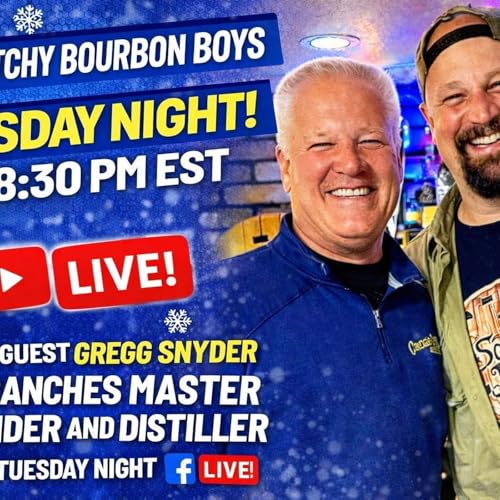
  • The Correction is Complete Bourbons Path Forward With Gregg Snyder A True Bourbon Master
    Feb 11 2026

    Send a text

    Gregg Snyder Master distiller of 4 Branches Bourbon and Tiny trace bourbon’s cycle from the late 1970s decline to today’s surplus, explaining why growth leveled, not crashed. Along the way we unpack ownership shifts, the rise of sourcing and blending, oak supply myths, and why premium whiskey still holds strong.

    • market cycles from decline to correction
    • Seagram’s consolidation and Four Roses ownership story
    • global demand shaping U.S. bourbon strategy
    • sourcing as a smart model in surplus eras
    • blending for unique profiles beyond single distilleries
    • shelf signals: pricing pressure and broader choice
    • cooperages, white oak supply, and forest management
    • culture shifts, Covid impact, and cannabis competition
    • premium demand resilience versus brand saturation
    • practical outlook for producers and consumers

    Remember www.scotchybourbonboys.com for all things Scotchy Bourbon Boys, Glencairns, t‑shirts
    We are on Facebook, Instagram, YouTube, X, TikTok, and Patreon
    Make sure that you become members, subscribe, join us on Patreon
    We are on Apple, iHeart, and Spotify
    Leave us good feedback, give us five‑star reviews on Apple and all the good stuff

    Bourbon isn’t crashing—it’s correcting. We sit down with a veteran who started at Seagram’s in 1978 to chart how whiskey moved from a slow decline to a record barrel surplus and what that means for prices, sourcing, and the future of premium. From Four Roses’ winding path through global owners to Gallo’s next play, we unpack how stewardship and team culture, not just corporate logos, shape the whiskey in your glass. And we get honest about the boom years: allocations, tight stocks, and why so many new brands emerged on sourced juice when Kentucky couldn’t meet demand.

    What’s different now? Capacity spread beyond Kentucky, with Indiana’s Ross & Squibb anchoring a new era of reliable supply while craft distilleries in Ohio and beyond scaled up. With more mature barrels available, blending becomes a creative frontier: rye spice meeting wheated softness, age layered over freshness, finishes that refine rather than hide. Our guest breaks down the business math too—why not every label needs a nine‑figure distillery when great whiskey can be curated with integrity and bottled at fair prices.

    We also tackle the oak question. Cooperage orders cooled, but white oak isn’t vanishing; forest inventories and longer growth cycles tell a healthier story. On the consumer side, shelves are widening, fewer bottles are hidden behind the counter, and value is re‑entering the chat. Premium bourbon still carries real demand, but hype alone won’t carry weak liquid. If you care about where whiskey goes next—pricing, availability, craftsmanship, and the rise of blending as an art—this conversation gives you a clear map for the next chapter.

    If you enjoyed this deep dive, follow the show, leave a five‑star review, and share with a friend who’s hunting their next great pour.

    voice over Whiskey Thief

    Add for SOFL

    Support the show

    https://www.scotchybourbonboys.com

    The Scotchy bourbon Boys are #3 in Feedspots Top 60 whiskey podcasts in the world https://podcast.feedspot.com/whiskey_podcasts/


    Mostra di più Mostra meno
    46 min
  • Inside Old Forester President’s Choice: Price, Proof, History, And Profile
    Feb 6 2026

    Send us a text

    Two friends return to the mics with health updates, family news, and a shared pour of Old Forester President’s Choice. We dig into Barrel #133 at 115.3 proof, break down the nose, body, taste, and finish, and give it a 17 out of 18 with clear reasons why.

    • context on President’s Choice relaunch and heritage
    • Ohio allocation versus distillery-only releases
    • barrel #133 stats, age in months, and proof
    • nose of banana, vanilla, and bakery spice
    • body and viscosity that soften the heat
    • taste progression from sweet to pepper and cinnamon
    • finish length, balance, and why it’s not a perfect five
    • value at MSRP versus secondary prices
    • who should chase it and why
    • comparisons to 1920 and Birthday Bourbon
    • updates on health, gratitude, and next guest preview

    Follow us on Facebook, Instagram, YouTube, X, TikTok, and Patreon. Subscribe on Apple, iHeart, and Spotify. Like, listen, comment, and leave good feedback—five-star reviews on Apple help us reach number one. “Super chat us on YouTube!”
    A rare bottle should earn its mystique in the glass, and Old Forester President’s Choice Barrel #133 does exactly that. We crack into this 115.3 proof single barrel—aged 113 months and selected by the Old Forester leadership team—to find out whether the banana-vanilla magic lives up to the chase and the price tag. Spoiler: we score it 17 out of 18, and the reasons come down to texture, balance, and a flavor profile that feels like the house style in high definition.

    We start with the story behind President’s Choice, a modern revival of George Garvin Brown II’s 1964 private barrel tradition that has evolved from distillery-only drops to limited retailer allocations. This Ohio release set the stage for a deep dive into what matters: a nose that opens with ripe banana, soft vanilla, and warm baking spice; a body with real weight and oil that carries flavor without harshness; and a palate that moves from candy banana and vanilla cream into pepper, cinnamon sugar, and flaky pie crust richness. The finish is medium and composed, sweet-to-spice with a light hug that invites another pour.

    Beyond tasting notes, we talk value and audience. At roughly $280 MSRP and a much higher secondary, who should buy this bottle? Our take: loyal Old Forester fans and serious drinkers will find a special-occasion pour that actually delivers. We compare it to standouts like 1920 and Birthday Bourbon, explain why this barrel feels like the brand’s profile “on steroids,” and call out where it falls just short—mainly a finish that could run longer. There’s also life on the mics: health updates, community shout‑outs, and a preview of our next guest, veteran blender and distiller Greg Schneider.

    If you’re deciding whether to line up, trade, or pass, this breakdown gives you the clarity you need. Tap play, subscribe for more honest reviews, and drop your take—would you open it, stash it, or flip it? Your notes and five‑star reviews on Apple help us climb to number one.

    voice over Whiskey Thief

    Add for SOFL

    Support the show

    https://www.scotchybourbonboys.com

    The Scotchy bourbon Boys are #3 in Feedspots Top 60 whiskey podcasts in the world https://podcast.feedspot.com/whiskey_podcasts/


    Mostra di più Mostra meno
    1 ora e 16 min
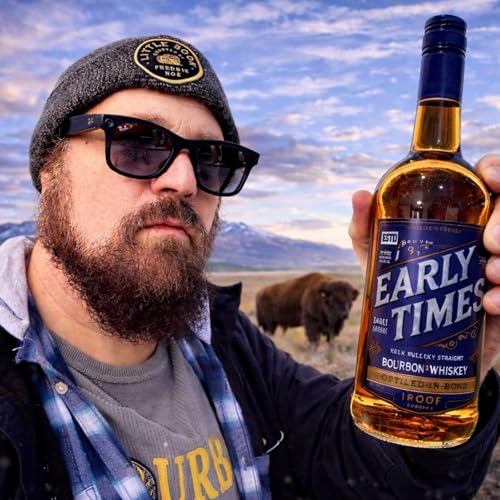
  • Inside The Early Times Bottled-In-Bond Transition 5 Years Later Is it Different Now?
    Feb 4 2026

    Send us a text

    We compare Early Times Bottled in Bond from 2022 and 2025, decode laser codes to date bottles, and unpack what changed after Sazerac moved production to Barton 1792. We score both pours using the Old Louisville barrel bottle breakdown and land on a surprising tie with different strengths.

    • Bottled in Bond rules clarified and why they matter
    • Early Times history from 1860 to the 2017 BIB revival
    • 2020 acquisition by Sazerac and Barton 1792 transition
    • How to read laser codes to date your bottle
    • 2022 vs 2025 tasting: nose, body, taste, finish
    • Reasons flavor shifts across distilleries and warehouses
    • Value verdict and best uses in cocktails and wassail
    • Upcoming guests: Greg Schneider and Alan Bishop

    We’re on Facebook, Instagram, YouTube, X, TikTok, Apple, iHeart, and Spotify—leave five-star reviews, become a member, and join our Patreon. Visit www.scotchybourbonboys.com for Glencairns, t‑shirts, and bourbon balls


    voice over Whiskey Thief

    Add for SOFL

    Support the show

    https://www.scotchybourbonboys.com

    The Scotchy bourbon Boys are #3 in Feedspots Top 60 whiskey podcasts in the world https://podcast.feedspot.com/whiskey_podcasts/


    Mostra di più Mostra meno
    1 ora e 6 min
  • Duck Club, Day One with McCauley Williams
    Jan 30 2026

    Send us a text

    We sit down with Macaulay Williams to explore how Duck Club blends culture, craft, and sharp pricing, from a $29.99 92 proof sipper to a $39.99 110 proof High‑Brass. The talk ranges from rickhouse science to market oversupply, with a clear stance on blending, transparency, and conservation.

    • origin story of Duck Club and the hunting clubhouse ethos
    • Riley Green as co‑founder and authentic voice
    • conservation support for Ducks Unlimited and Delta Waterfowl
    • blending philosophy, extraction vs oxygenation
    • why 53‑gallon barrels matter for balance
    • detailed breakdowns of the 92 proof and 110 proof blends
    • pricing strategy and value in a corrected market
    • transparency via batch info and QR codes
    • sourcing vs contract distilling trade‑offs
    • branding, nostalgia, and reaching younger drinkers
    • proof, flavor, and where whiskey shows best
    • rollout plan across 28 to 30 markets and merch

    Join us on Patreon, support the show, and leave a review on Apple, iHeart, or Spotify
    www.scotchybourbonboys.com
    “Make sure you live your life like us, uncut and unfiltered.”

    A new bourbon with duck blind DNA lands with a clear promise: real flavor, real value, and a story that actually fits the bottle. We welcome Macaulay Williams, CEO of Morningside Brands and co‑founder of Duck Club, to pull back the curtain on launching a spirits brand that marries hunting‑camp camaraderie with disciplined blending and transparent pricing. From his pivot out of law to building multiple labels, Macaulay explains how market cycles, barrel science, and brand identity shape what we pour.

    We dig into the mechanics that matter—extraction vs oxygenation, why 53‑gallon barrels are a sweet spot, and how rapid aging shortcuts often miss the mark. Then we taste through Duck Club’s lineup: a 92 proof Kentucky‑plus‑Indiana blend at $29.99 that drinks far above its price, and the 110 proof High‑Brass at $39.99 that layers in eight‑year Kentucky character and a caramel‑rich finish without chasing heat for heat’s sake. Along the way, we touch the fallen rickhouse saga, climate‑controlled warehouses, and why blending may be American whiskey’s most exciting frontier right now.

    Culture is the throughline. Duck Club leans into the real rhythm of duck season—cold mornings, warm fires, and shared stories—and pairs it with conservation action through Ducks Unlimited and Delta Waterfowl. With country artist and die‑hard hunter Riley Green as co‑founder, the brand reaches younger drinkers without losing authenticity, using vintage‑inspired design, batch transparency, and lifestyle merch to widen the tent. If you care about flavor, value, and a brand that shows its work, this conversation will recalibrate what you expect from a $30–$40 bottle.

    If you enjoyed this deep dive into whiskey craft and culture, tap follow, share with a friend who loves a good pour, and leave a quick review. Your support helps more curious listeners find their next favorite bottle.

    voice over Whiskey Thief

    Add for SOFL

    Support the show

    https://www.scotchybourbonboys.com

    The Scotchy bourbon Boys are #3 in Feedspots Top 60 whiskey podcasts in the world https://podcast.feedspot.com/whiskey_podcasts/


    Mostra di più Mostra meno
    1 ora e 42 min
  • Whiskey, Reimagined The New Orleans Way with Master Blender Kieran Walsh
    Jan 28 2026

    Send us a text

    We explore how a five-year whiskey aged in used cooperage becomes something new when layered with over two dozen botanicals. Kieran Walsh shares the path from wine and High West to Big Easy Whiskey and why he designed an 86 proof pour that opens on ice, thrives in a toddy, and avoids sugary shortcuts.

    • philosophy of enhancing whiskey rather than masking it
    • used cooperage to balance oak and highlight grain character
    • infusion set including baking spices, citrus peel, and green herbs
    • how hydrophobic compounds bloom with water and heat
    • positioning beyond the “flavored whiskey” category
    • New Orleans as flavor inspiration and brand home base
    • distribution focus on Louisiana with planned regional growth
    • future expressions and bourbon releases teased
    • simple cocktails: big easy hot toddy and absinthe pairing ideas

    Listen, like, subscribe, leave good feedback, especially on Apple
    Give us a five-star review, please
    You can become a member and also join our Patreon

    What if American whiskey could be lifted, not lacquered? We sit down with master blender and COO Kieran Walsh of Big Easy Spirits to unpack a five-year whiskey aged in used cooperage and layered with precise infusions—baking spices, citrus peels, and verdant herbs—that amplify what whiskey already does well. No cloying sweetness, no camouflage, just a thoughtfully built 86 proof pour that blooms on ice, hums in a hot toddy, and reshapes what “flavored” can mean without losing its whiskey core.

    Kieran’s journey runs from wine production and restrained oak philosophy to High West’s blending lab, where the idea of barrel-aged cocktails and Amaro architecture took root. That background shows in every decision: used barrels keep the oak in line, botanicals track existing whiskey notes rather than fighting them, and the proof point preserves structure in cocktails while staying approachable neat. We explore how hydrophobic compounds unlock aroma with water and heat, why category rules forced a new lane beyond “flavored whiskey,” and how New Orleans—more gumbo than single note—became both muse and proving ground.

    We also get practical. Expect serving ideas from a minimalist Bourbon Street hot toddy (just whiskey and hot water) to an absinthe-kissed riff worthy of the Old Absinthe House. Kieran shares distribution plans rooted in local love first, then careful expansion to Texas, the Florida panhandle, Mississippi, California, and more. He teases future releases, including older base stocks with alternate infusions and two bourbons waiting in tank—early tasters’ reactions ranged from “holy shit” to wide-eyed silence.

    If you’re curious about whiskey innovation, botanical infusions, New Orleans cocktail culture, and how to bridge the gap between purist pours and sugar-heavy flavor bombs, this one’s for you. Hit follow, share with a whiskey friend, and drop a review—tell us what cocktail you’ll try first with Big Easy Whiskey.

    voice over Whiskey Thief

    Add for SOFL

    Support the show

    https://www.scotchybourbonboys.com

    The Scotchy bourbon Boys are #3 in Feedspots Top 60 whiskey podcasts in the world https://podcast.feedspot.com/whiskey_podcasts/


    Mostra di più Mostra meno
    1 ora e 8 min